Health and Safety Risks Caused by Small Animals in Commercial Facilities
Commercial small animal removal experts can help mitigate health and safety risks caused by small animals in commercial facilities by safely removing pests and preventing contamination.
Visitors exploring concerns about health and safety risks caused by small animals in commercial facilities are in the right place. Small animals such as rodents, birds, and other pests can pose serious health hazards, including the spread of diseases, contamination of food supplies, and structural damage that may compromise safety standards. Property owners in the area have practical reasons to address these risks promptly-protecting staff, maintaining a safe environment, and avoiding costly repairs or disruptions. Continuing to read can help uncover how local contractors specializing in small animal removal are equipped to handle these issues effectively, ensuring commercial spaces remain safe and compliant.
Understanding the potential health and safety risks caused by small animals in commercial settings highlights the importance of professional intervention. Local service providers who focus on small animal removal offer targeted solutions to eliminate pests and prevent future infestations, reducing health hazards and safeguarding property integrity. By exploring options available nearby, property owners can find trusted experts ready to help manage these risks efficiently, allowing them to prioritize safety and operational continuity without unnecessary worry.
- Commercial Facility Inspection - Businesses may need inspections when signs of small animal activity pose health and safety risks, and local contractors assess the extent of the problem.
- Small Animal Exclusion - When small animals are found inside a facility, local service providers implement exclusion strategies to prevent further intrusion and mitigate associated risks.
- Sanitation and Cleanup - After small animals are removed, local pros perform sanitation to eliminate droppings and nesting materials that could cause health hazards.
- Pest Proofing Services - To reduce health and safety risks caused by small animals, contractors often reinforce building openings and entry points to prevent re-entry.
- Wildlife Damage Repair - Small animal activity can lead to structural damage, prompting local specialists to repair and secure affected areas to maintain safety standards.
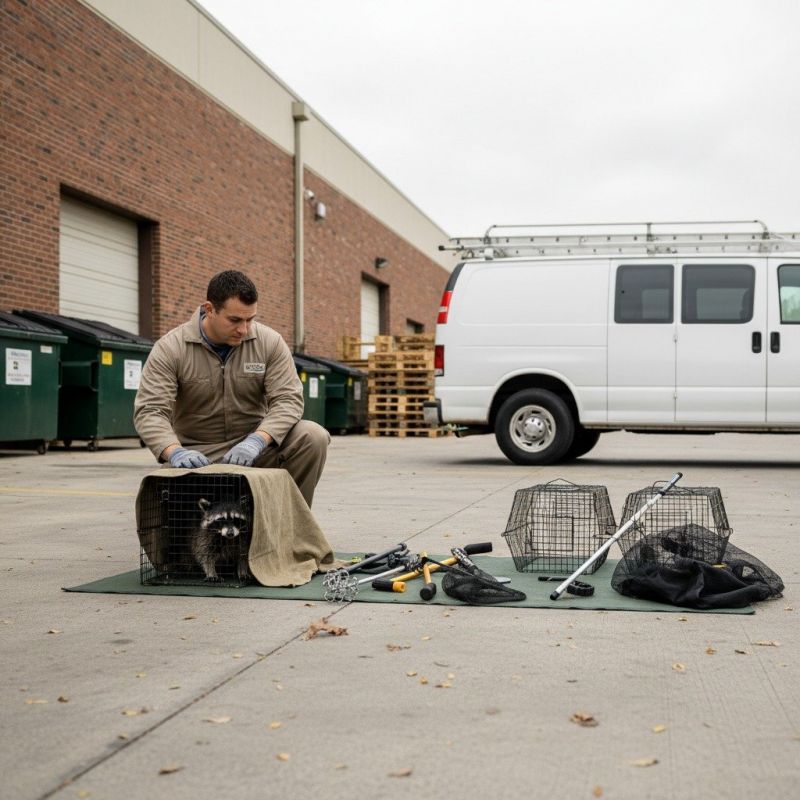
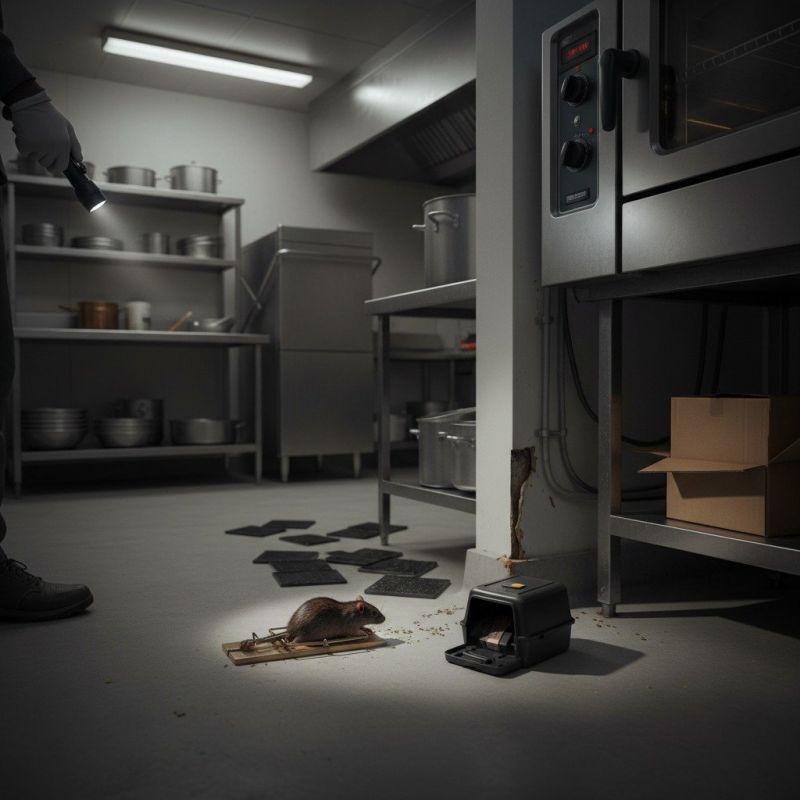
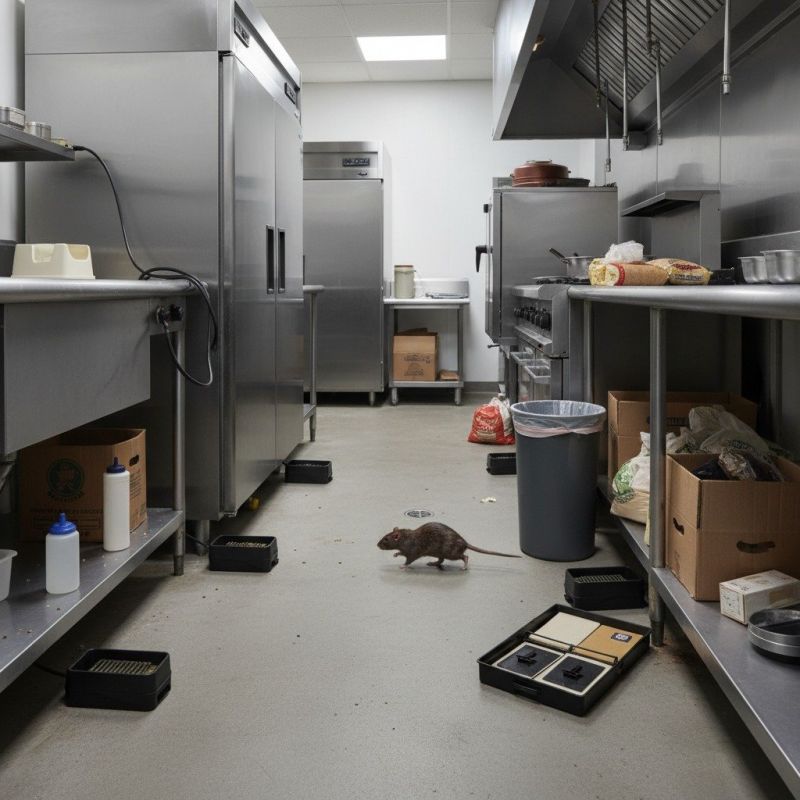
When people search for information about health and safety risks caused by small animals in commercial facilities, they are often concerned about the potential hazards these creatures can introduce to their workplaces or properties. Small animals such as rodents, squirrels, or bats can find their way into commercial buildings, creating environments that may pose health threats to employees, visitors, and occupants. These searches typically stem from experiences with animal sightings, signs of infestation, or a desire to prevent issues before they escalate. Understanding these risks is essential for property owners and managers who want to maintain a safe, healthy environment and ensure compliance with safety standards.
This topic relates closely to plans for pest management, building maintenance, and health safety protocols. Small animals can cause damage to wiring, insulation, and structural components, which may lead to fire hazards or costly repairs. More importantly, they can carry diseases or parasites that threaten human health, such as hantavirus, salmonella, or rabies. Addressing these risks often involves inspection, exclusion, and removal strategies designed to eliminate the animals and prevent future entry. Commercial property owners may also need to develop ongoing monitoring plans to detect early signs of animal activity and mitigate potential health threats proactively.
The types of properties where health and safety risks caused by small animals are most common include warehouses, retail stores, office buildings, restaurants, and manufacturing facilities. These properties often have structural features like roof vents, gaps around doors and windows, or access points that attract small animals. Food processing plants and storage facilities are particularly vulnerable due to the presence of food products that can attract rodents and other pests. In each case, the presence of small animals can compromise not only safety and sanitation but also the reputation of the business, making it critical to involve experienced service providers who specialize in small animal removal.
Local pros who handle small animal removal play a vital role in managing these health and safety risks. They assess properties for entry points and signs of infestation, then implement humane and effective exclusion methods. These professionals can help property owners develop integrated plans that include removal, sanitation, and prevention measures tailored to the specific property type and risk level. By working with experienced service providers, commercial facilities can better control small animal issues, reduce health hazards, and maintain safer environments for everyone. Their expertise ensures that small animals are removed safely and that the property remains protected from future incursions.
Building inspection projects - assessing commercial facilities for structural vulnerabilities that small animals may exploit, which is vital for preventing health and safety risks caused by small animals in commercial facilities.
Pest proofing services - implementing exclusion and sealing techniques to prevent small animals from entering, thereby reducing health hazards associated with infestations.
Wildlife removal projects - safely removing small animals from commercial sites to mitigate health and safety risks caused by small animals in commercial facilities.
Facility sanitation services - cleaning and disinfecting areas contaminated by small animals to control health hazards in commercial environments.
Structural repair projects - repairing damage caused by small animals to eliminate entry points and prevent health and safety risks caused by small animals in commercial facilities.
Rodent control programs - deploying targeted strategies to manage rodent populations that pose health and safety risks caused by small animals in commercial facilities.
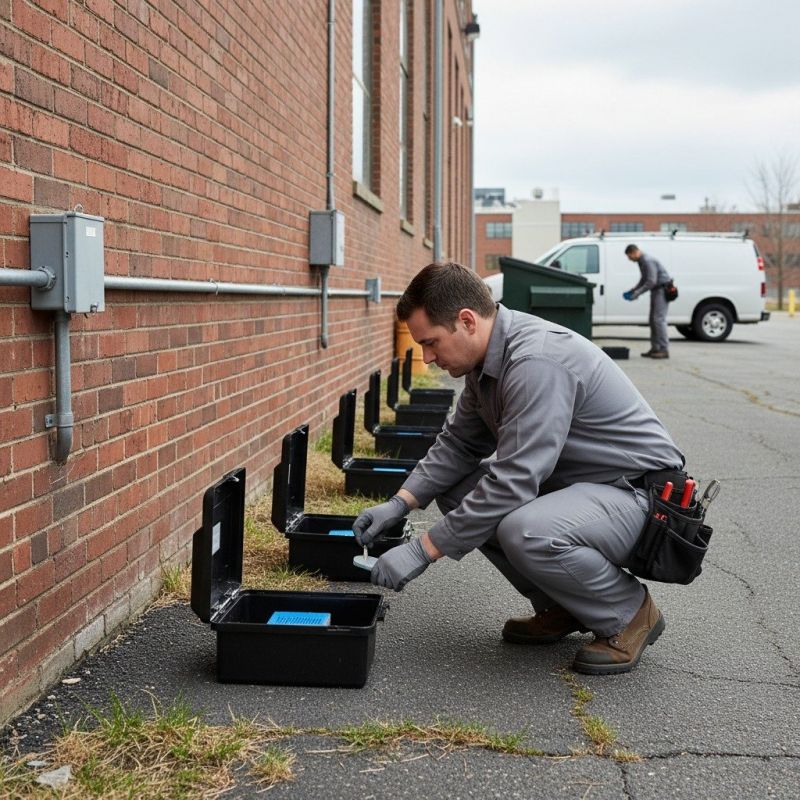
When evaluating service providers for addressing health and safety risks caused by small animals in commercial facilities, it is important to consider their experience with similar projects. A contractor with a proven track record in small animal removal in environments comparable to the facility in question can offer valuable insights into the specific challenges involved. This experience can help ensure that the chosen contractor understands the unique health hazards posed by small animals and has developed effective strategies for safe and thorough removal.
Clear and detailed written expectations are essential when comparing local contractors. These documents should outline the scope of work, safety protocols, and responsibilities to prevent misunderstandings and ensure that all aspects of the project are addressed. Well-defined expectations also help facilitate transparency and accountability, making it easier to assess whether a service provider is equipped to handle the health and safety risks associated with small animals in commercial settings.
Reputable references and a focus on good communication are key indicators of a reliable service provider. Speaking with past clients or reviewing references can provide insights into how effectively a contractor manages health and safety concerns, handles unexpected issues, and maintains clear communication throughout the project. A contractor that communicates well and demonstrates a history of satisfied clients is more likely to deliver a safe and effective small animal removal service tailored to the specific health and safety risks of commercial facilities.
Property owners often search for health and safety risks caused by small animals in commercial facilities when they are planning practical projects around their homes and businesses. Local pros provide Commercial Small Animal Removal services for everyday jobs and straightforward project options.
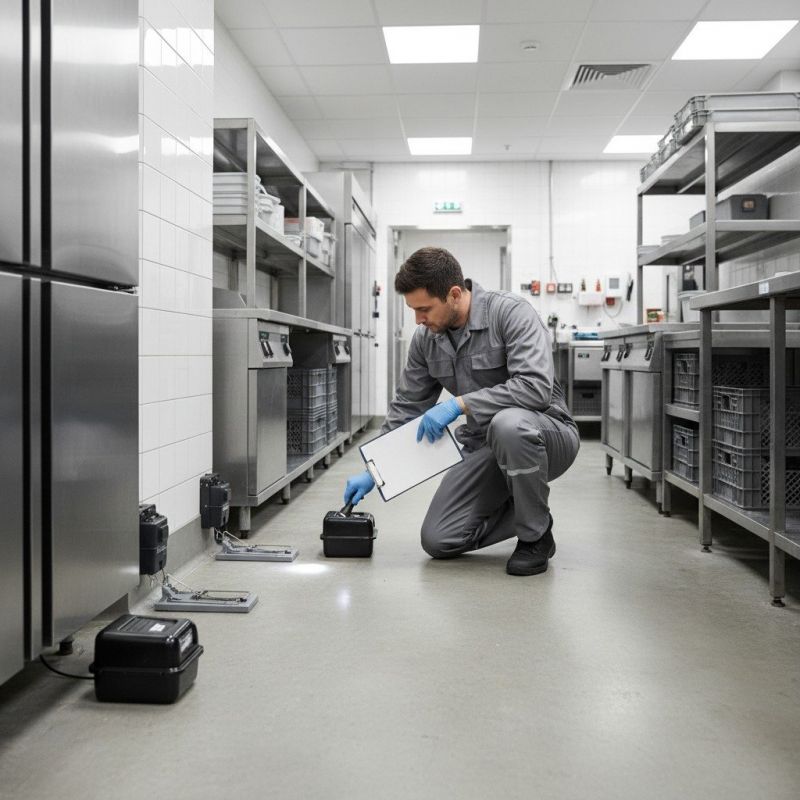
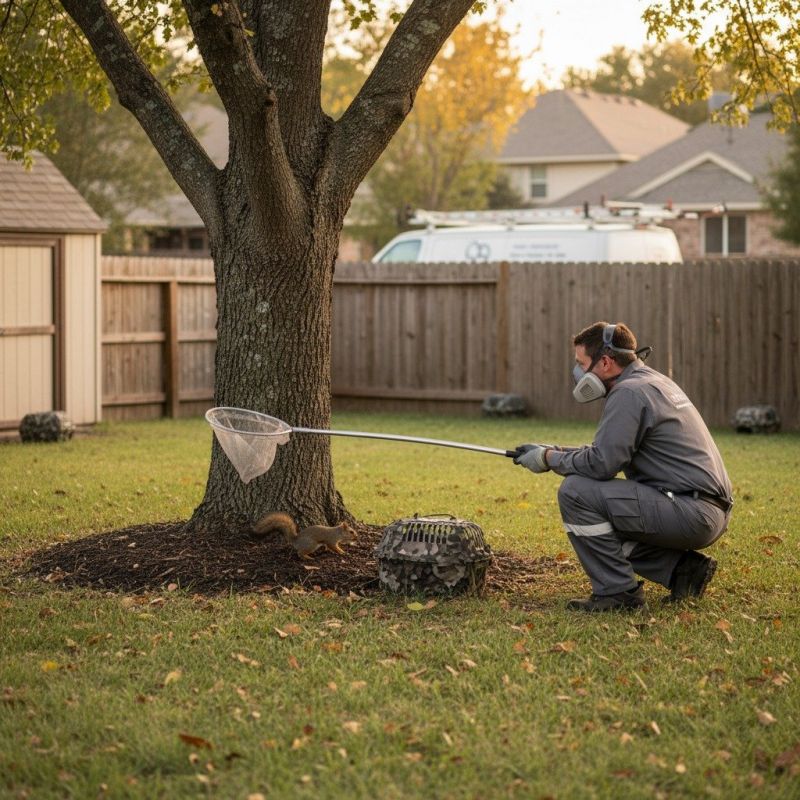
Small animals such as rodents, birds, and other pests can pose significant health and safety risks in commercial facilities. Their presence often leads to contamination of food supplies, surfaces, and equipment through droppings, urine, and nesting materials. This can create unsanitary conditions that not only compromise hygiene standards but also increase the likelihood of disease transmission to employees and visitors. Property owners in the area may seek out commercial small animal removal services to address these issues promptly, ensuring a safer environment and reducing the risk of health hazards that could disrupt daily operations.
In addition to health concerns, small animals can cause physical damage to building structures, electrical wiring, and insulation, which may lead to safety hazards like fires or structural instability. These risks highlight the importance of professional removal and exclusion services provided by experienced local contractors. Engaging with local pros can help property owners effectively manage small animal infestations, safeguarding the health of staff and visitors while preventing costly repairs and potential safety incidents.
What health and safety risks can small animals cause in commercial facilities? Small animals can carry diseases, contaminate food supplies, and cause structural damage, leading to potential health hazards for employees and customers. Local contractors specializing in small animal removal can help mitigate these risks effectively.
Why is it important to address small animal presence promptly in commercial settings? Prompt removal helps prevent the spread of illnesses, reduces the risk of fire hazards from chewed wiring, and minimizes damage to property, ensuring a safer environment for everyone. Service providers experienced in small animal removal can assist with timely interventions.
How do small animals pose a threat to food safety in commercial facilities? Small animals can contaminate food products with droppings, urine, or hair, increasing the risk of foodborne illnesses. Local pros can identify entry points and safely remove animals to protect food supplies.
What safety concerns are associated with small animal infestations in commercial buildings? Infestations may lead to structural damage, electrical fires, and the spread of parasites or diseases. Professional small animal removal services focus on safe and effective removal to reduce these hazards.
How can local contractors help improve health and safety in facilities affected by small animals? They assess the extent of the infestation, remove animals humanely, and implement exclusion measures to prevent future issues, helping to maintain a safe and healthy environment.
Identify entry points - property owners can work with local contractors to locate and seal small animal entry points, reducing health and safety risks caused by small animals in commercial facilities.
Implement sanitation measures - integrating pest-proof waste management and cleaning practices with the help of local pros can minimize attractants and prevent infestations.
Schedule inspections and removals - regular inspections by local service providers help detect early signs of small animal activity, addressing health and safety risks promptly.
Install deterrents and barriers - property owners can collaborate with local pros to set up physical barriers or deterrents that keep small animals out and mitigate health hazards.
If you are thinking about health and safety risks caused by small animals in commercial facilities for a property, this guide is meant to help you understand this topic, the typical project types, and how different options might fit your plans.
When you are ready, you can use the quote form on this page to share a few details about your project. From there, local pros can review the basics and follow up with options that match what you have in mind.