Why Humane Wildlife Removal Is Important for Property and Animal Safety
Humane wildlife removal helps protect property and animals by safely relocating unwanted wildlife, with local service providers capable of handling the job responsibly and effectively.
Understanding why humane wildlife removal is important for property and animal safety is essential for property owners facing unwanted wildlife intrusions. When animals such as raccoons, squirrels, or bats find their way into a building or yard, they can cause significant property damage and create potential health hazards. Engaging with local service providers who specialize in humane wildlife removal ensures that these animals are relocated safely and ethically, reducing the risk of injury to both animals and residents. This approach helps maintain the integrity of the property while respecting the well-being of the animals involved, making it a practical choice for those seeking effective solutions.
For property owners in the area, exploring humane wildlife removal options is a proactive step toward preventing future issues. Local contractors experienced in humane removal can identify entry points, safely remove animals, and implement measures to prevent re-entry-all while prioritizing animal welfare. Keeping animals out of buildings not only protects the property from damage but also minimizes the chance of disease transmission. As you consider your options, understanding the importance of humane wildlife removal can guide you toward solutions that safeguard your property and support ethical treatment of local wildlife.
- Bird control - when birds have nested on rooftops or in vents, local contractors use humane methods to remove them and prevent future infestations.
- Bat exclusion - if bats are found roosting inside attics or wall cavities, local pros implement humane exclusion techniques to safely remove them.
- Squirrel removal - when squirrels invade attics or crawl spaces, local service providers employ humane trapping and exclusion to protect property and wildlife.
- Raccoon removal - in cases where raccoons have taken shelter in chimneys or under decks, local contractors handle humane removal to avoid harm to animals and property damage.
- Skunk removal - when skunks dig under foundations or decks, local pros use humane methods to remove them and prevent future issues.
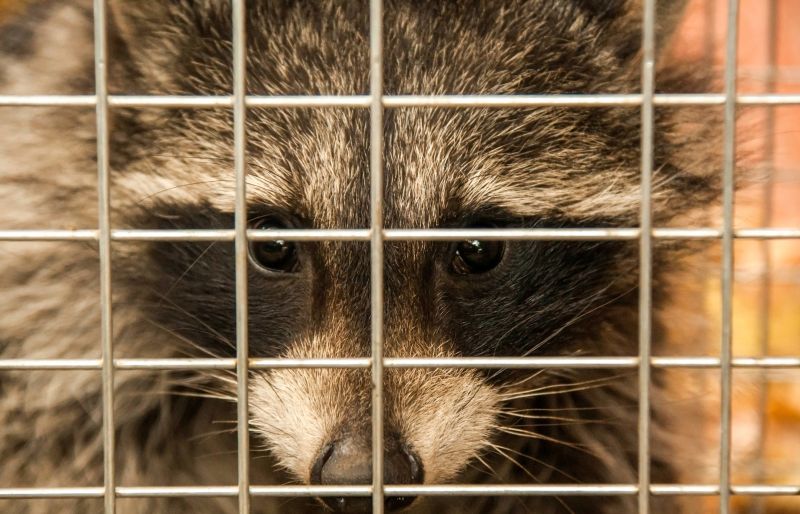
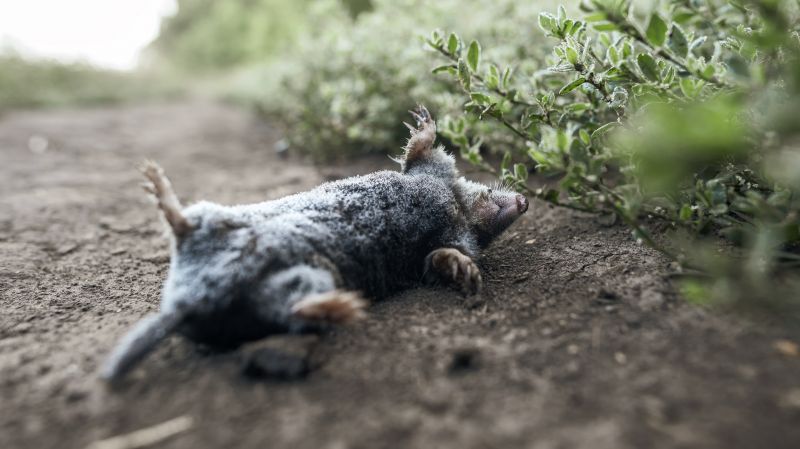
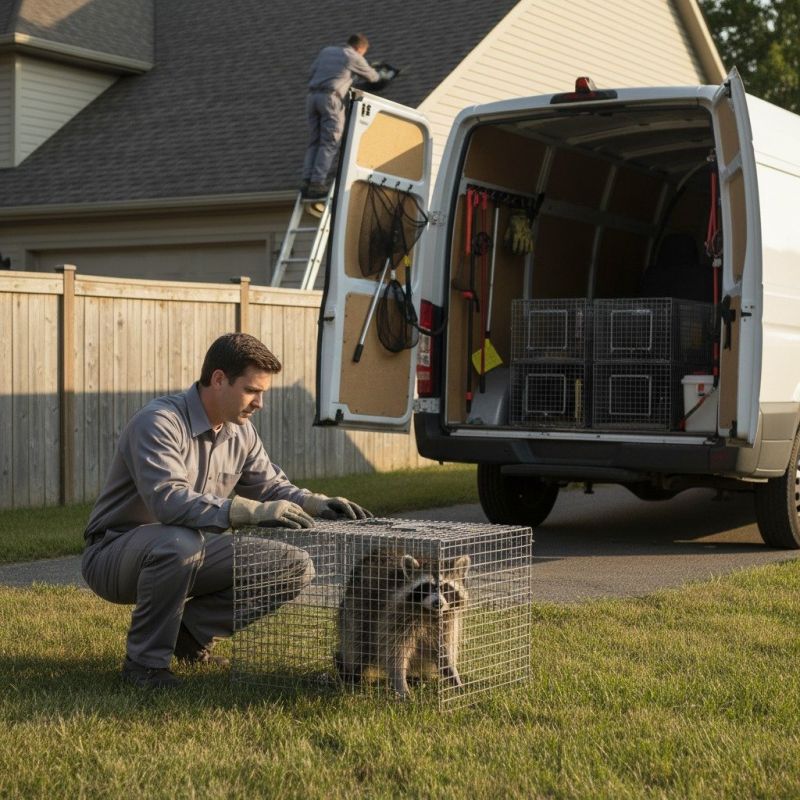
When people search for why humane wildlife removal is important for property and animal safety, they are often looking for solutions to problems caused by unwanted animals taking refuge on or around their homes and buildings. Common concerns include animals like raccoons, squirrels, bats, or birds nesting in attics, chimneys, or wall cavities. These animals can cause significant property damage, such as chewed wiring, insulation destruction, or structural wear. Additionally, many individuals are aware of the health risks posed by wildlife, including the spread of parasites, bacteria, or diseases. Understanding these issues underscores the importance of addressing wildlife intrusions promptly and humanely to prevent further damage and protect both property and residents.
This topic relates to a variety of plans and problems homeowners face, from removing animals that have already entered the property to preventing future invasions. Property owners often seek humane wildlife removal services when they notice signs of animal activity, such as droppings, noises, or damage. The goal is to safely and effectively remove the animals without harming them, while also sealing entry points to prevent re-entry. These efforts are part of larger property maintenance or renovation projects, especially in older homes or buildings with gaps and vulnerabilities. Local service providers specializing in humane removal can help develop tailored plans that balance the need for effective removal with the welfare of the animals involved.
Properties that commonly come up in discussions of humane wildlife removal include residential homes, especially those with attics, garages, or crawl spaces, as well as commercial buildings such as warehouses, barns, or offices. Structures located near wooded areas, parks, or water sources are more prone to wildlife encounters. Additionally, properties with damaged roofing, open vents, or poorly sealed foundations are at higher risk of animal infiltration. Homeowners and property managers often seek professional assistance to address these issues, ensuring that the removal process adheres to humane standards and aligns with local regulations. Local contractors experienced in humane wildlife removal can evaluate the property’s vulnerabilities and implement effective, animal-friendly solutions.
Ultimately, understanding why humane wildlife removal is important for property and animal safety helps property owners make informed decisions about managing wildlife issues. It emphasizes the importance of prompt, professional intervention to prevent property damage, safeguard health, and promote ethical treatment of animals. By working with local service providers, property owners can ensure that the removal process is handled responsibly, minimizing stress and harm to the animals while protecting the integrity of the property. This approach not only resolves immediate problems but also helps establish long-term safeguards against future wildlife intrusions, maintaining a safe and secure environment for everyone involved.
Bird Control Projects - These projects involve removing and preventing bird infestations, requiring skills in exclusion and humane removal methods similar to wildlife control for property safety.
Bat Exclusion Services - Local contractors specializing in bat exclusion use techniques that align with humane wildlife removal to ensure safe and effective removal without harm.
Rodent Proofing Projects - Ensuring rodents do not re-enter structures involves planning and installation skills comparable to humane wildlife removal efforts for property protection.
Wildlife Damage Repair - Repairing damage caused by animals requires understanding animal behavior and implementing humane removal strategies to prevent further issues.
Nuisance Animal Removal - Removing animals that pose a nuisance involves similar planning, tools, and humane techniques used in wildlife removal to safeguard property and animals.
Animal Habitat Modification - Altering environments to deter unwanted wildlife aligns with humane removal practices aimed at long-term property and animal safety.
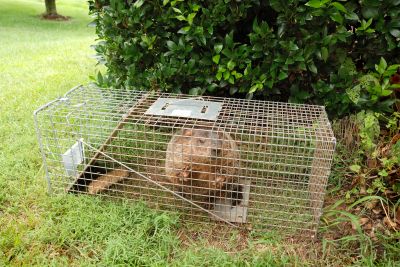
When evaluating wildlife removal service providers, it is important to consider their experience with similar projects. A contractor with a history of handling wildlife issues comparable to those on a homeowner’s property can offer insights into effective strategies and potential challenges. An experienced local contractor will understand the common types of wildlife in the area and the best humane methods for removal and exclusion, helping to ensure the job is done efficiently and effectively. This familiarity can also provide reassurance that the contractor is well-versed in the nuances of humane wildlife removal services, which prioritize animal safety while protecting the property.
Clear written expectations are essential when comparing local service providers. A reputable contractor will outline the scope of work, the humane techniques to be used, and any necessary follow-up steps in a detailed written proposal or estimate. This transparency helps homeowners understand what to expect and ensures that there are no surprises once the project begins. Well-documented expectations also serve as a reference point throughout the process, making it easier to address any questions or concerns that may arise. Consistent communication and clarity can contribute to a smoother experience and better overall results.
Reputable references and good communication are key factors when choosing a wildlife removal contractor. While reviews and testimonials can provide some insight into a contractor’s reliability, direct references from previous clients can offer more specific details about their experience and the quality of work. Effective communication ensures that homeowners feel informed and involved throughout the project, which is particularly important when addressing sensitive issues like humane wildlife removal. A service provider that listens carefully, answers questions thoroughly, and keeps homeowners updated is more likely to deliver a service experience that aligns with expectations and promotes successful, humane solutions for property and animal safety.
Property owners often search for why humane wildlife removal is important for property and animal safety when they are planning practical projects around their homes and businesses. Local pros provide Humane Wildlife Removal services for everyday jobs and straightforward project options.
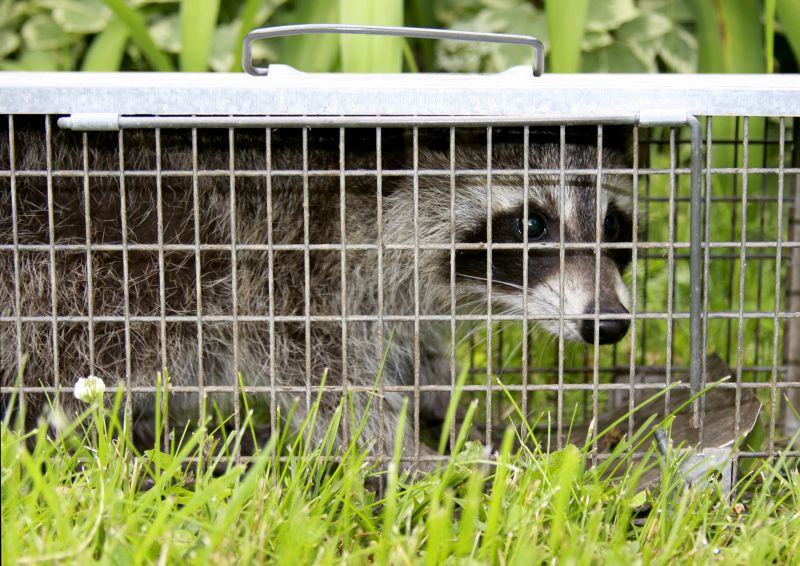
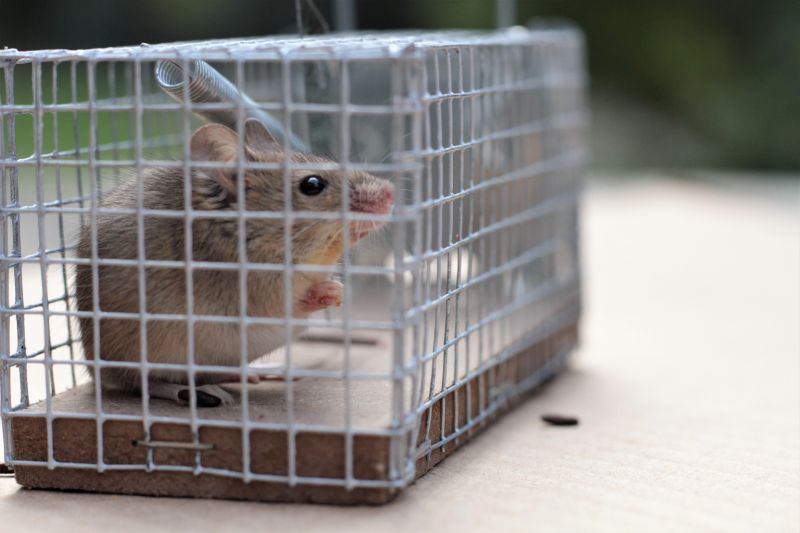
Understanding why humane wildlife removal is important for property and animal safety can help property owners address common issues like unwanted animals taking shelter in attics, crawl spaces, or around the yard. Animals such as raccoons, squirrels, or bats can cause damage to structures, electrical wiring, and insulation, leading to costly repairs. Local service providers who specialize in humane wildlife removal use methods that safely and effectively remove animals without causing harm, helping to protect both the property and the animals involved.
In many everyday situations, property owners may notice signs of animal intrusion, such as noise, droppings, or damaged property. Addressing these concerns promptly with the help of local contractors who focus on humane removal can prevent more serious problems down the line. These professionals can also assist with sealing entry points and implementing preventative measures, reducing the likelihood of future encounters and ensuring a safer environment for both residents and local wildlife.
Why is humane wildlife removal important for property safety? Humane wildlife removal helps prevent property damage caused by animals such as chewed wiring, insulation destruction, and structural harm, ensuring the safety and integrity of the property.
How does humane wildlife removal contribute to animal safety? It ensures that animals are removed without injury or stress, reducing the risk of harm to both the animals and residents, and promotes ethical treatment of wildlife.
What are the benefits of hiring local contractors for humane wildlife removal? Local contractors have experience with regional wildlife issues, use appropriate methods, and can effectively address specific animal-related problems on properties.
Why should property owners choose humane methods over other wildlife removal options? Humane methods prioritize animal welfare, prevent potential legal issues, and reduce the risk of animals returning or causing further damage.
How does humane wildlife removal help prevent future wildlife-related problems? Proper exclusion techniques and habitat modifications implemented by service providers reduce the likelihood of animals re-entering the property, maintaining safety and property integrity.
Identify entry points - property owners can work with local contractors to find and seal gaps or openings that allow wildlife to access the property, preventing future invasions.
Implement humane removal methods - partnering with local pros ensures animals are safely and ethically removed without harm, reducing risks to both property and animals.
Secure trash and food sources - property owners can take practical steps to store waste securely and eliminate attractants, decreasing the likelihood of wildlife encounters.
Perform ongoing inspections - scheduling regular checks with local service providers helps maintain property safety by catching and addressing wildlife issues early.
If you are thinking about why humane wildlife removal is important for property and animal safety for a property, this guide is meant to help you understand this topic, the typical project types, and how different options might fit your plans.
When you are ready, you can use the quote form on this page to share a few details about your project. From there, local pros can review the basics and follow up with options that match what you have in mind.